Selected Research and Design Projects
-POST-
Finalist, Canadian Pavilion, Venice Architecture Biennale, 2023
Core Team: HiLo/YOW+ (Blair Satterfield, Thena Tak, Piper Bernbaum, Suzy Harris Brandts, Ozayr Saloojee, Jon Ackerley, Lee Patola, Arthur Souza) // Research Team: Connor O’Gray, Anna Longrigg, Mike Yoshimura, Rehab Salama, Émélie Desrochers-Turgeon, Shelby Hagerman // Production Team: Shean Architecture
WHO HAS PERMISSION TO NARRATE?
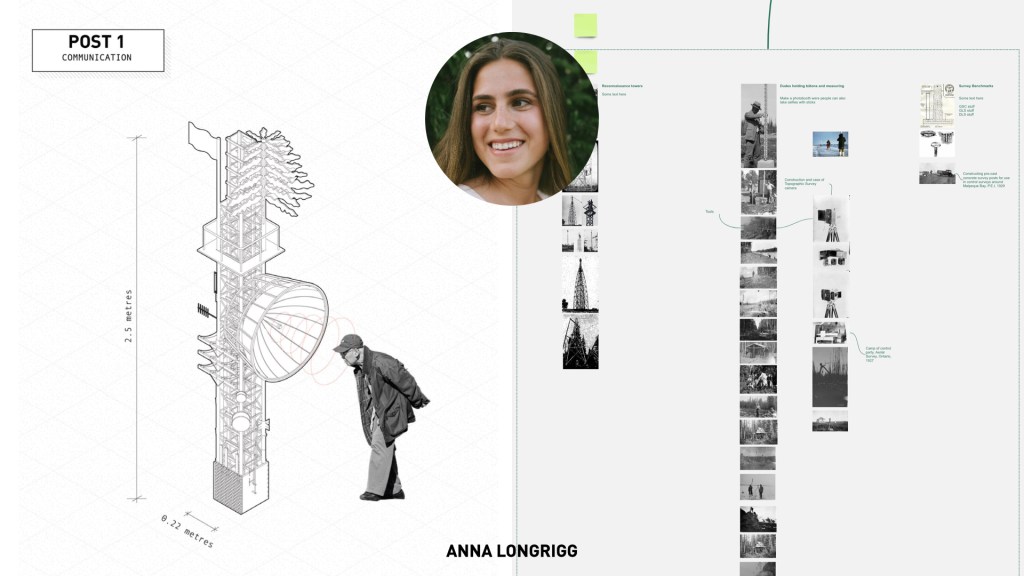
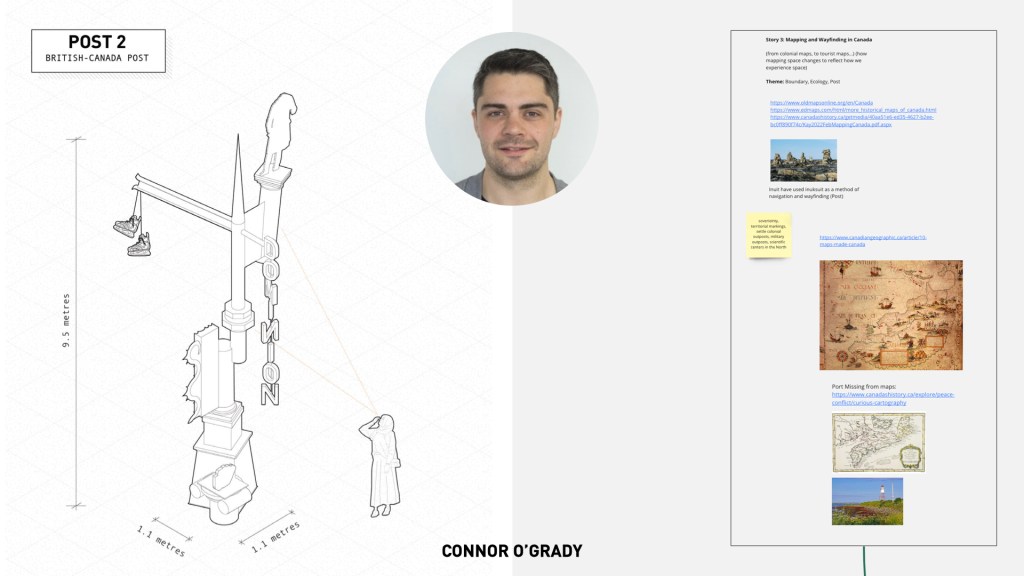
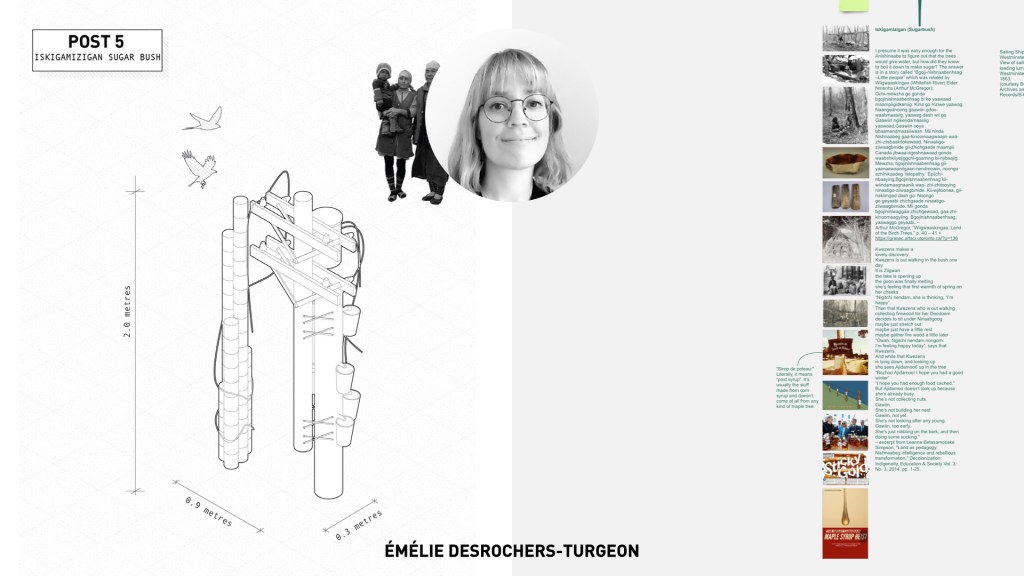
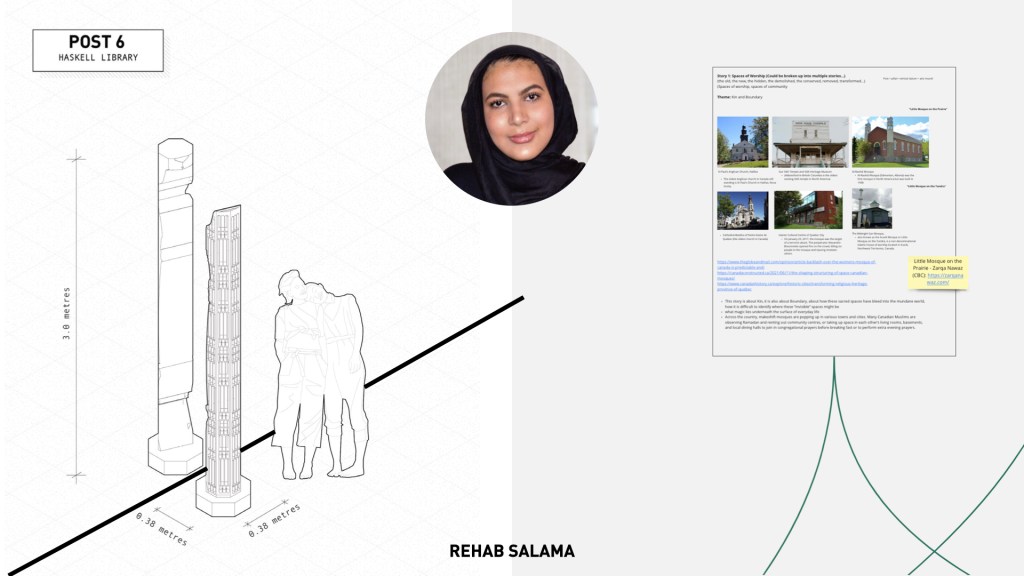
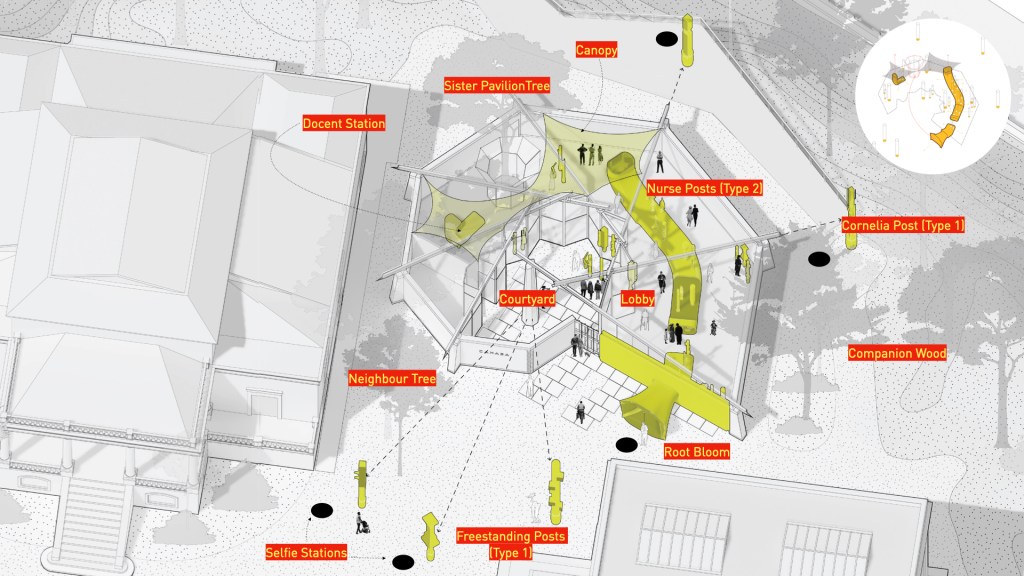
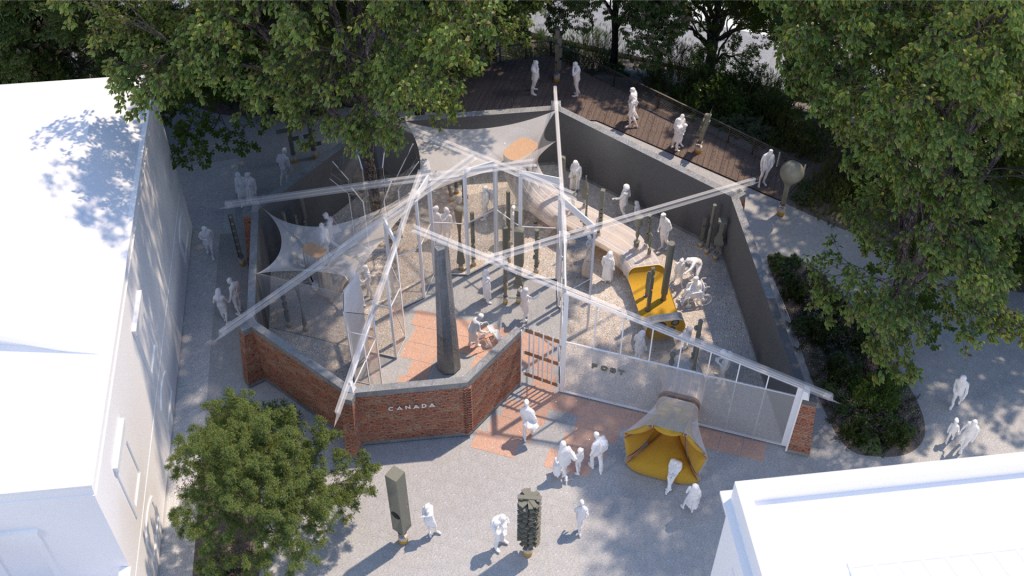
Canada, like Venice, is an artifice that is held up by posts.
These posts take the form and shape of colonial signs, markers, registers, institutions, pedagogies and architectures. These are the lionized and valorized narratives that continue to center a particular vision of Canada as an artifice of repair and reconciliation. These stories claim a heroic, individual universality. Canada, as an artifice, is premised on the erasure of other posts: other worldviews, cosmologies, indigeneities, diasporas, immigrations, struggles, laments, elegies, loves and lives. These are to be found in other centers of architecture, other forms, other tools, other institutions, other authorities, and other pedagogies.
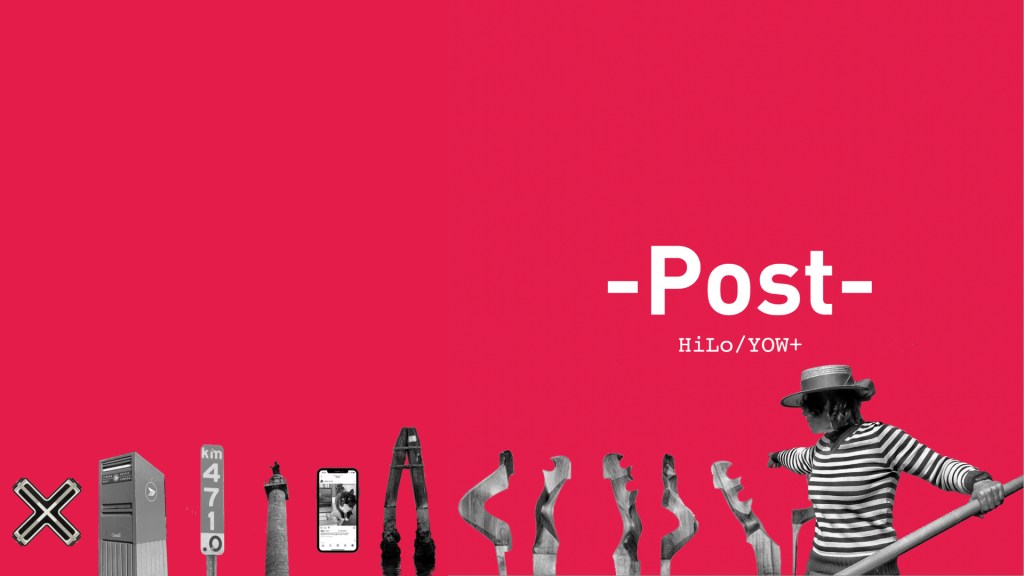
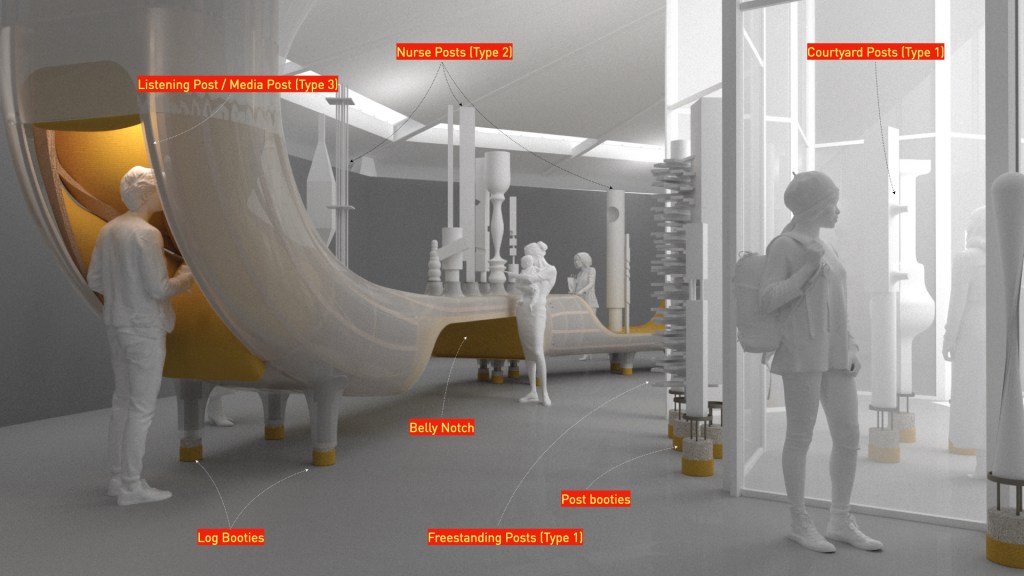
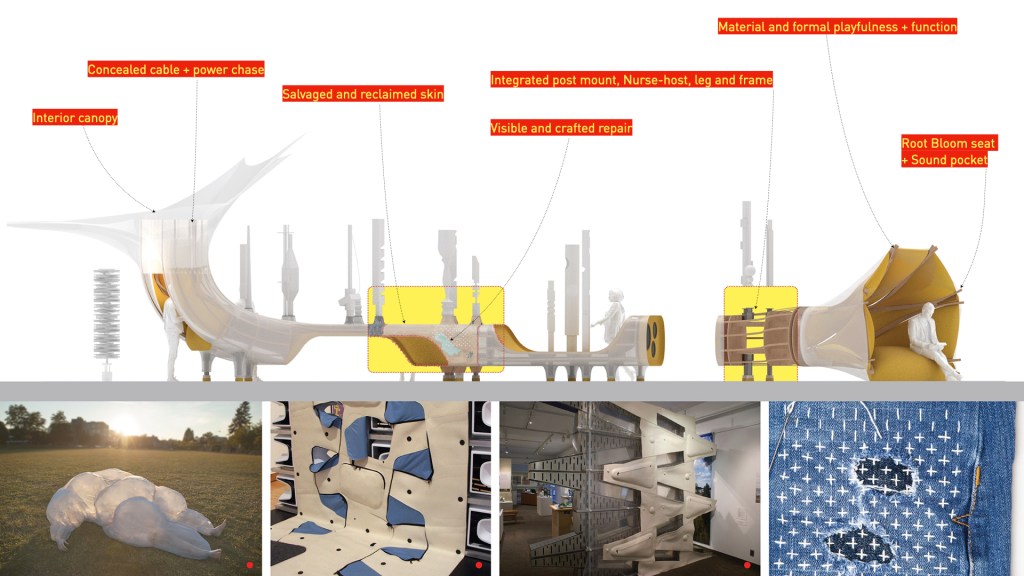
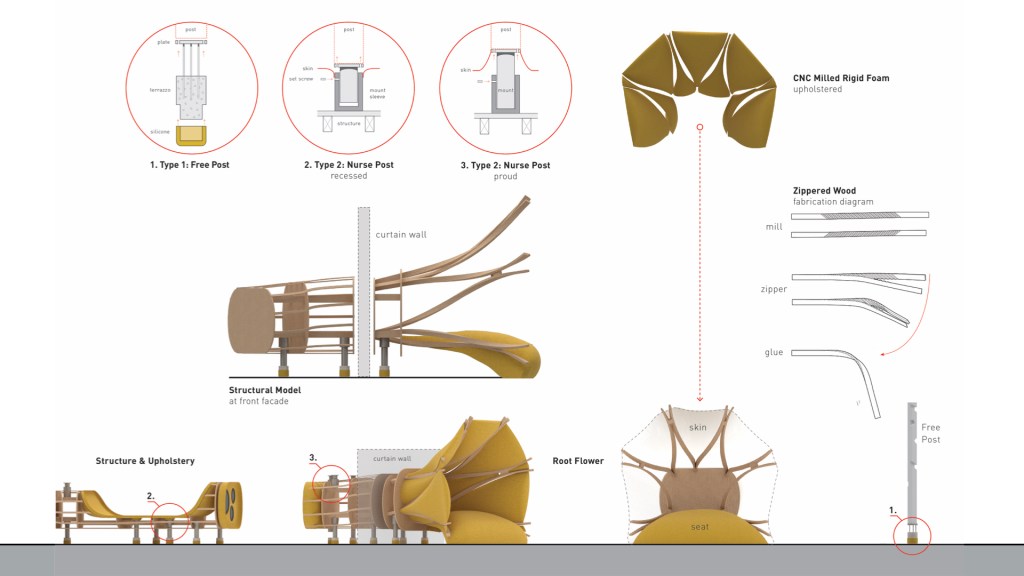
This artifice is the premise of -POST-, our shortlisted proposal for Canada’s contribution to the 2023 Venice Architecture Biennale.
We ask: who (and what) gets to narrate the story of architecture in so-called Canada? Who (and what) has permission to tell those stories? Which stories are edified, raised up, supported? Which ones are not? Which are excluded, hidden, suppressed?
In asking these questions -POST- looks to celebrate other stories in order to explore other centers of architecture, form, space, and authority. Architecture is in search of new, reparative relationships. These relationships – these posts – are stories that can help us reckon with our architectural inheritances, and make possible emancipatory, imaginative futures.
Our collaborative and plural exhibition remakes and re-imagines the architectural post as a pedagogical platform to center effaced and suppressed narratives. Stories can make and unmake universes, can make and unmake maps, and our places within, or outside of them. -POST- looks inward to Canada and past it, to the many Canadas out there, including the image that others have of us, beyond the provincializing borders of disciplines and nations.




DMU X LISBON
Dark Matter University (DMU) at the Lisbon Architecture Triennale, Lisbon, Portugal, 2022
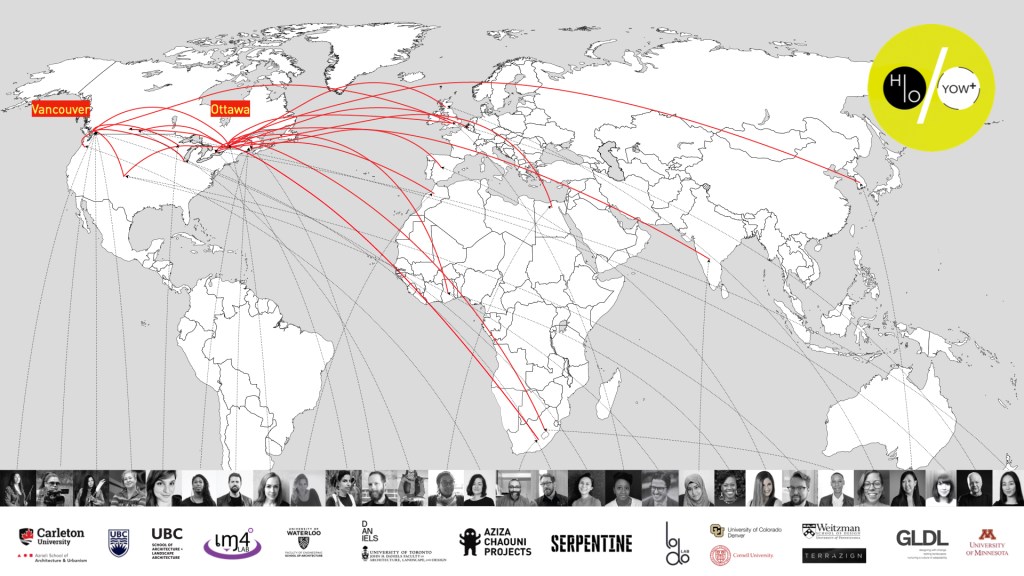
DMU Core Team: Bz Zhang, christin hu, Cory Henry, Garnette Cadogan, Jerome Haferd, Maria Villalobos, Shawhin Roudbari, Sophie Weston Chien, Tonia Sing Chi, Victor Zagabe // DMU Network Contributors: A.L. Hu, Albert Chao, Andrew Chin, Bryan C. Lee Jr., Bz Zhang, Camille Sherrod, Catherine Hernandez, Chat Travieso, christin hu, Cory Henry, Curry Hackett, Dan Taeyoung, Garnette Cadogan, Germane Barnes, Jared Culp, Jati Zunaibi, Jelisa Blumberg, Jennifer Low, Jennifer Newsom, Jerome Haferd, Jia Gu, Josh Budiongan, Joyce Hwang, Justin Garrett Moore, Kiki Cooper, Lexi Tsien, Lisa C. Henry, Maria Villalobos, Michele Washington, Mira Henry, Mustafa Faruki, Nupur Chaudhury, Ozayr Saloojee, Preeti Sodhi, Quilian Riano, Samendy Brice, Shalini Agrawal, Shawhin Roudbari, Sophie Weston Chien, Stephen Gray, Taylor Holloway, Tonia Sing Chi, Tya Winn, Venesa Alicea-Chuqui, Victor Zagabe // DMU Collaborators: Rondela Spooner (BLacK @ SSA), Asialy Bracey-Gardella (BLacK @ SSA), Ornella Bonhomme (BLacK @ SSA), George Guida (ArchiTAG), Tatjana Crossley (ArchiTAG), Garvin Goepel (AugmentedArchitecture), NVS Visuals
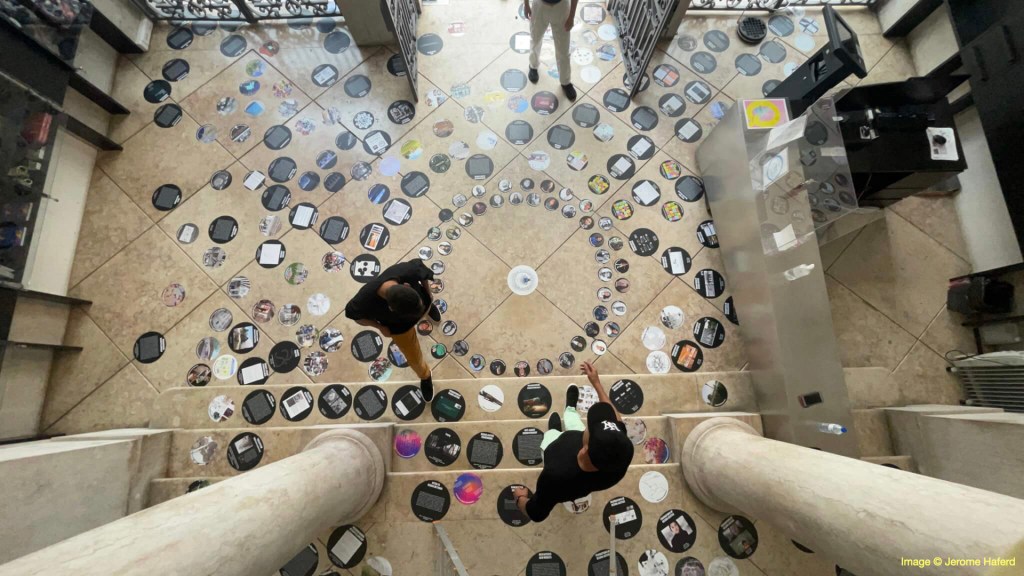
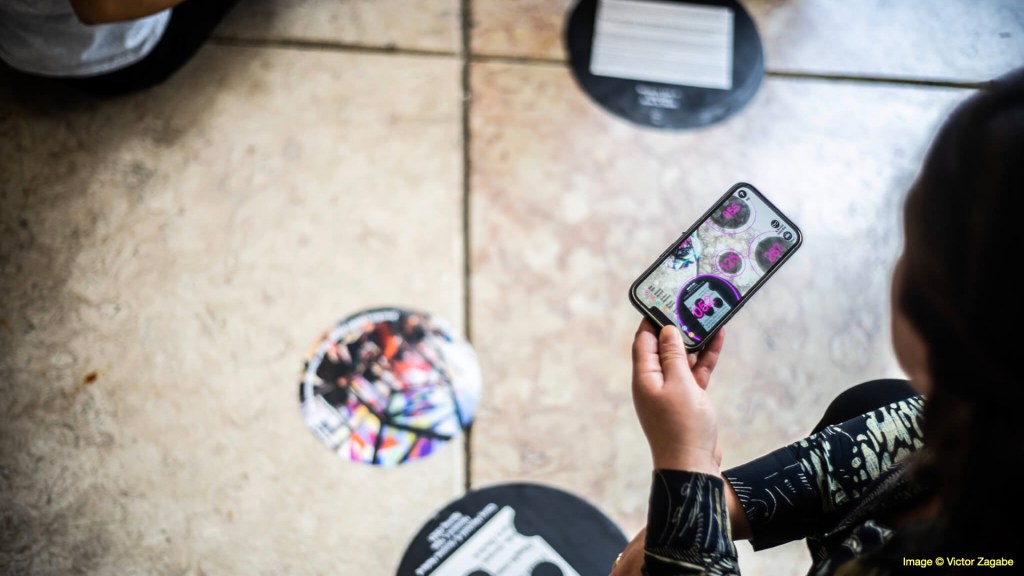
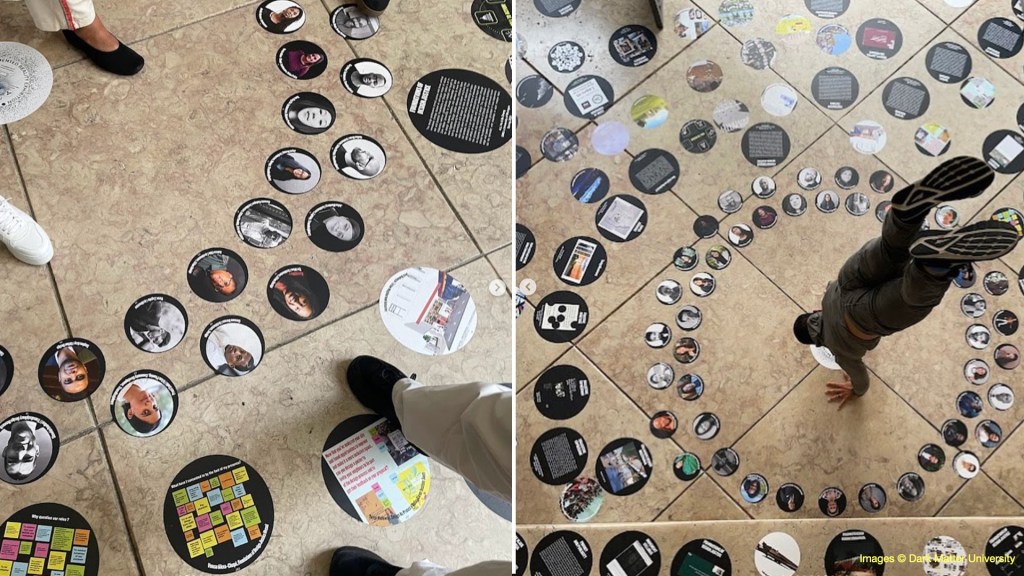
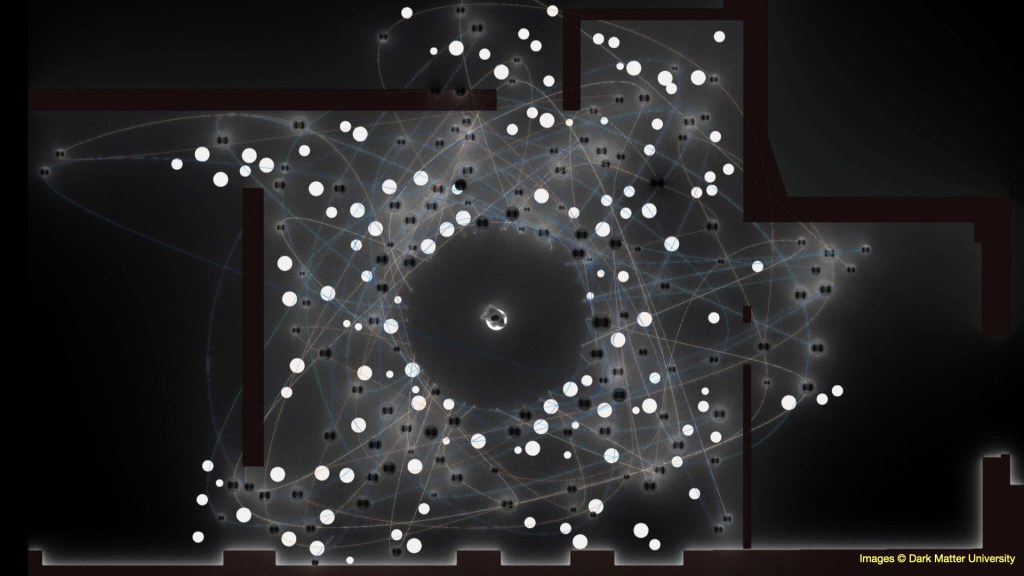
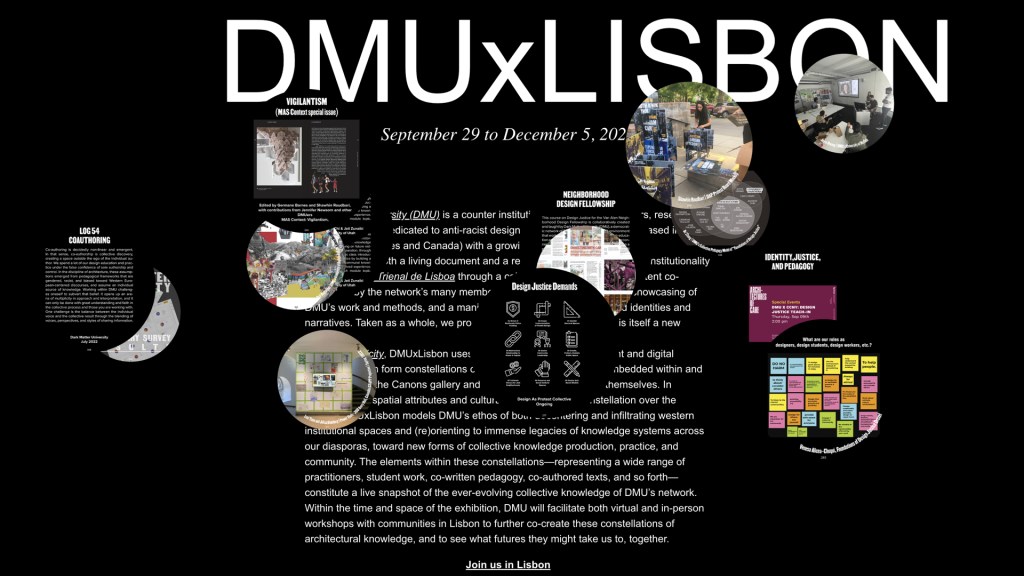
Dark Matter University (DMU) is a counter institutional network of educators, researchers, and practitioners dedicated to anti-racist design education and outcomes, based in Turtle Island (United States and Canada). DMUxLisbon was both a living document and a real-time modeling of counter-institutionality within the 2022 Trienal de Lisboa through a collective “constellation” of content co-generated by the network’s many members. This constellation was both a showcase of DMU’s work and methods, and a manifestation of their multiple, situated identities and narratives. Taken as a whole, DMU proposed this real-time constellation (accessible in person, on site, as well as through an AR Interface, as itself a new canon. Within the Multiplicity exhibition at the MNAC in Lisbon, DMUxLisbon used a site-specific installation of print and digital elements, which formed constellations of collective knowledge, embedded within and layered across the Canons gallery and beyond the museum walls themselves. In leveraging the spatial attributes and cultural relations of the Constellation over the Canon, DMUxLisbon models DMU’s ethos of both decentering and infiltrating western institutional spaces and (re)orienting to immense legacies of knowledge systems across our diasporas, toward new forms of collective knowledge production, practice, and community. The elements within these constellations—representing a wide range of practitioners, student work, co-written pedagogy, co-authored texts, and so forth—constituted a live snapshot of the ever-evolving collective knowledge of DMU’s network.


FLUID BOUNDARIES
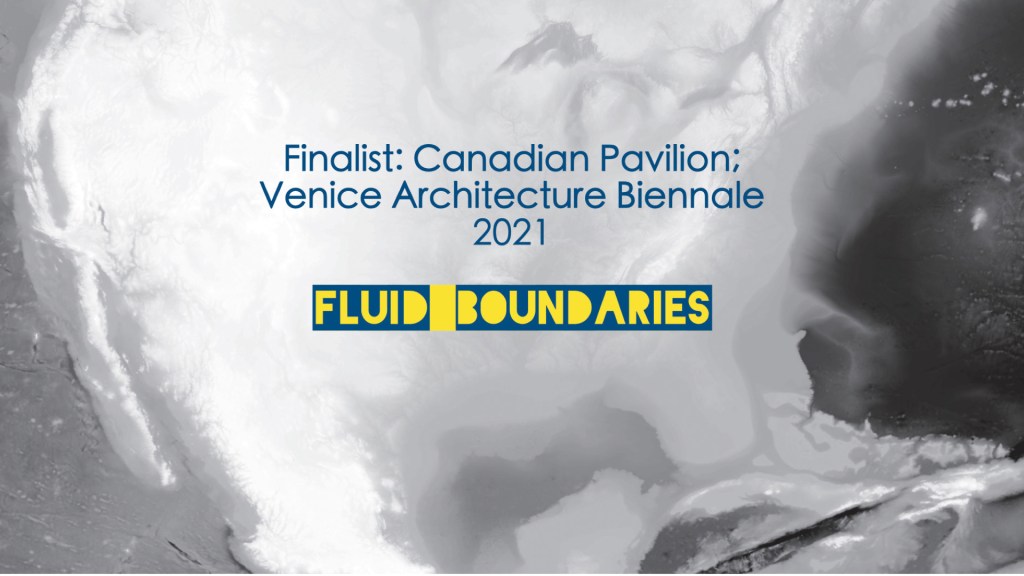
Finalist, Canadian Pavilion, Venice Architecture Biennale, 2021
Core Team: Dr. Zoe Todd (Carleton University), Dr. Ozayr Saloojee (Carleton University), Dr. David Hugill (Carleton University), Dr. Jerzy Elzanowski (Carleton University), Dr. Catherine Bonier (Carleton University), Emélie Desrochers-Turgeon (Carleton University), Karen Lutsky (University of Minnesota) // Production Team: Cailen Pybus, Alvin Kwan, Kristen Smith
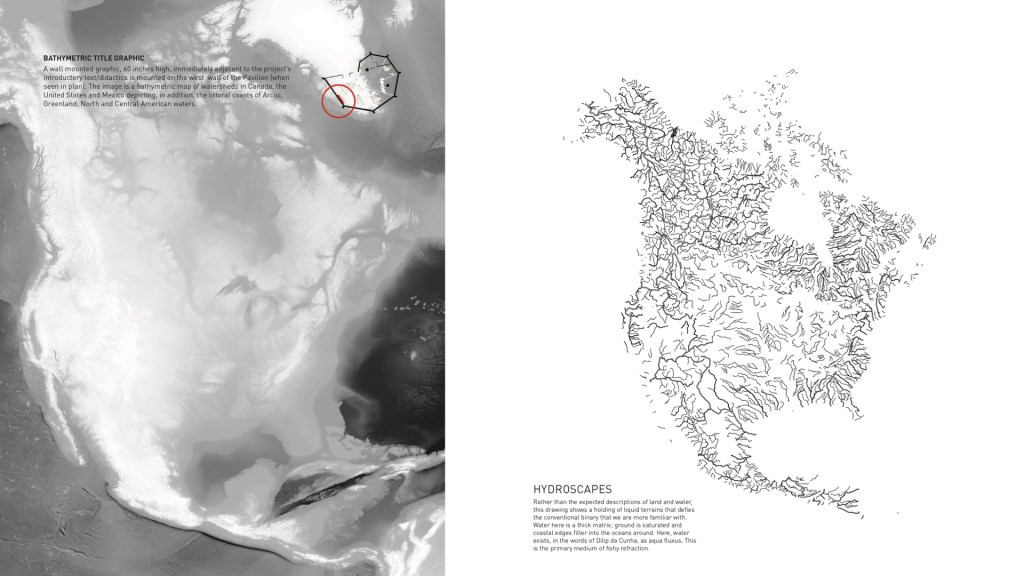
Fluid Boundaries proposes to submerge visitors in an ever-shifting, liquid-like space created within the Canadian Pavilion at the Giardini della Biennale. Suspended in the vertical and horizontal movements of tidal, seasonal, and extreme water rhythms from around the world, visitors feel vibrant, fraught, and soothing water with all of its complex life-giving and life-taking connotations and denotations: abundance and absence, clarity and contamination, ambiguity and definition. Fluid Boundaries unsettles and displaces, recasting watersheds as physical, cosmological, and cultural terrains and multiple worlds. In the presence of these collective and connected waters, the rigid divisions of architectural constructions and national jurisdictions are disrupted. We are not trying to see Canada differently. We aim to create a space – a murky, multiple, mobile lens – through which to see different Canadas.
The conceptual framework for this project is anchored in Zoe Todd’s notion of “fishy refraction,” Macarena Gómez-Barris’ theory of the “fish-eye episteme,”(The Extractive Zone, Duke University Press, 2017) and Leroy Little Bear’s work on relationality. These optics bend the settler-colonial gaze (and other totalizing ways of seeing), decentering singular human vision in order to critically look back at it. Both Todd and Gómez-Barris argue for an epistemological shift: untethered from human vision, how might we engage with worldly spaces, forms, and questions, both beautiful and terrifying?
The fisheye, and its refractive agency, makes for a pavilion that immerses visitors in a world of relations and responsibilities, which flow through shared watersheds and myriad land-water-fish-human entanglements: co-constitutive relationships between beings (living and non-living). Unencumbered by axial limitations, fish move in multidimensional and phase-changing water that freezes and expands, liquifies, heats, and disperses as it both sustains and destroys. Fluid Boundaries follows the spatial sensibilities of fish, rejecting a facile picture of regionally tokenized Canada conditioned by provincial and national borders, and temporally defined by its centennial celebrations (what does a 150 year old Lake Sturgeon think of Confederation?). Instead, the project uses the fish-eye lens as well as the watershed as frames for seeing many architectures and consequently many Canadas.



MUDLARK
Submission, Jardin de Métis, International Garden Festival, 2020
Team: Karen Lutsky (University of Minnesota), Rachel Salmela (Minneapolis), Dr. Zoe Todd (Simon Frasier University), Dr. Ozayr Saloojee (Carleton University), Felix Mayer (Carleton University), Émélie Desrochers-Turgeon (Carleton University)
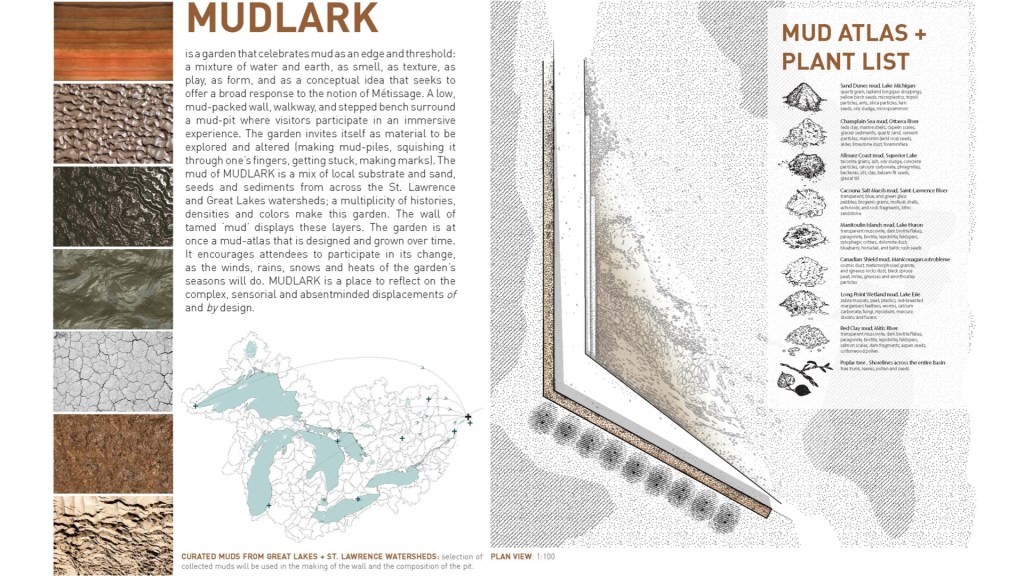
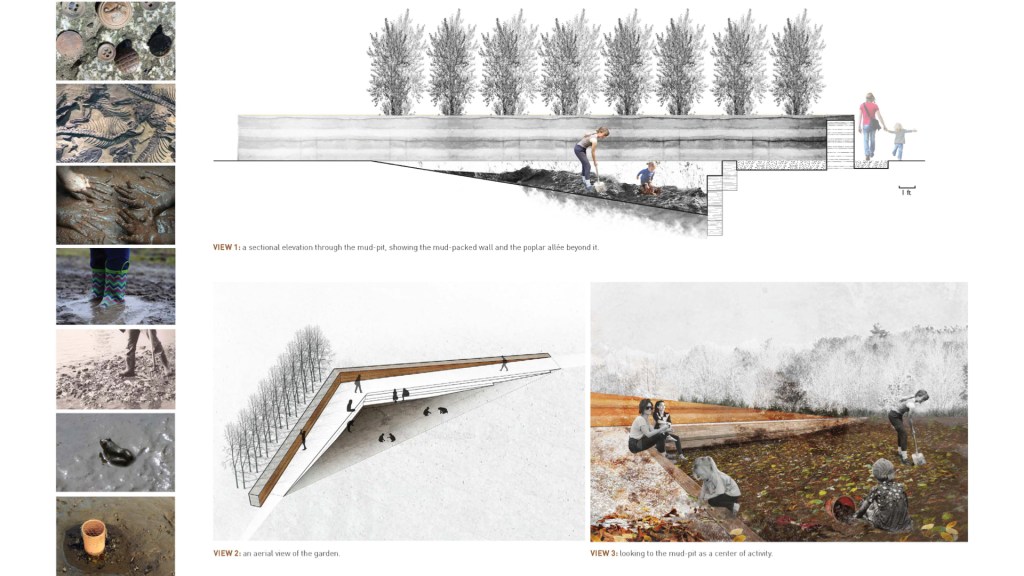
Mudlark is a garden that celebrates mud as an edge and threshold: a mixture of water and earth, as smell, as texture, as play, as form, and as a conceptual idea that seeks to offer a broad response to the notion of Métissage. A low, mud-packed wall, walkway, and stepped bench surround a mud-pit where visitors participate in an immersive experience. The garden invites itself as material to be explored and altered (making mud-piles, squishing it through one’s fingers, getting stuck, making marks). The mud of MUDLARK is a mix of local substrate and sand, seeds and sediments from across the St. Lawrence and Great Lakes watersheds; a multiplicity of histories, densities and colors make this garden. The wall of tamed ‘mud’ displays these layers. The garden is at once a mud-atlas that is designed and grown over time. It encourages attendees to participate in its change, as the winds, rains, snows and heats of the garden’s seasons will do. MUDLARK is a place to reflect on the complex, sensorial and absentminded displacements of and by design.

AN ARGUMENT FOR UNKNOWING / AN ACCOUNTABILITY OF LOVE
Ongoing Design/Research Project
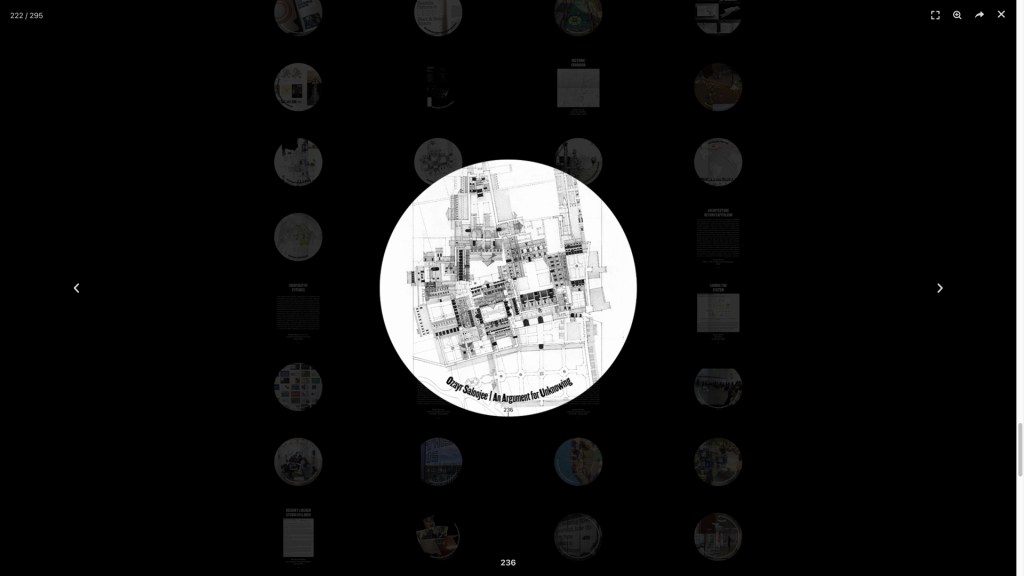
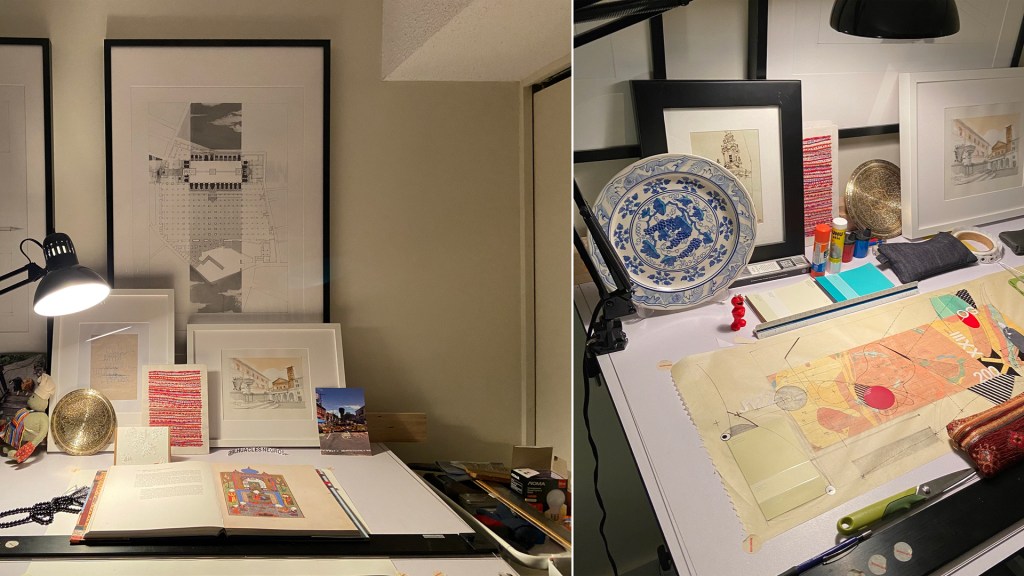
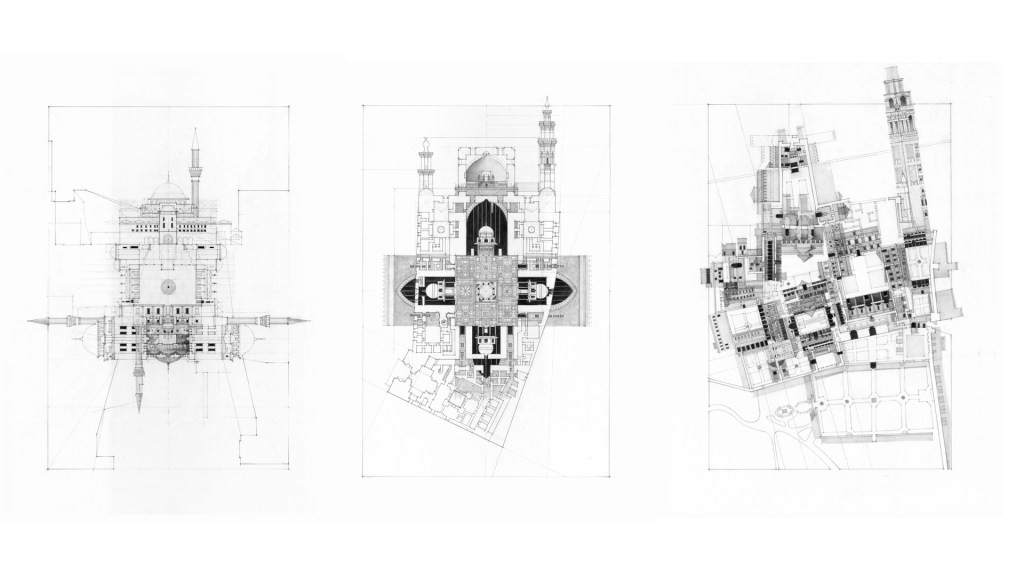
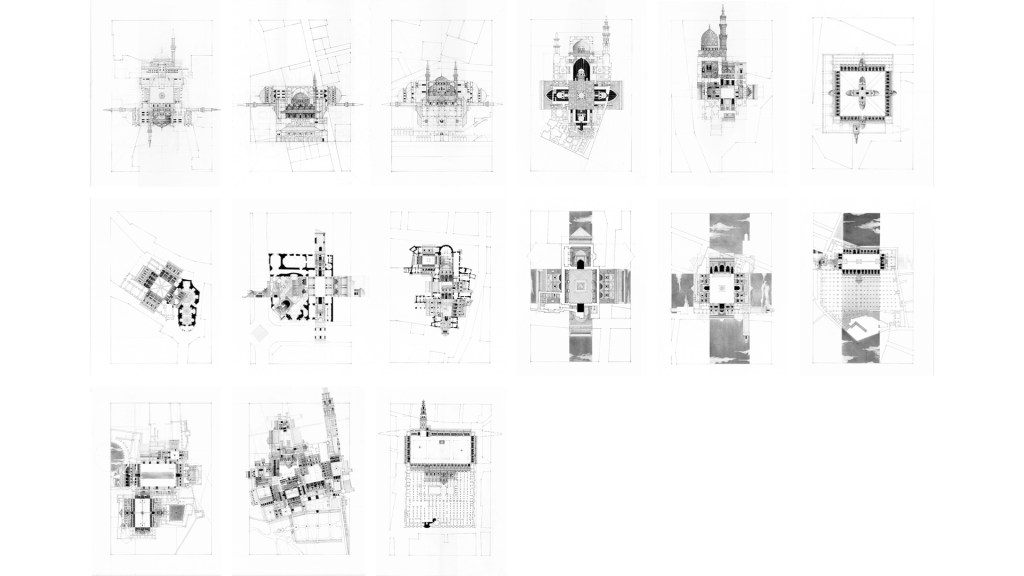
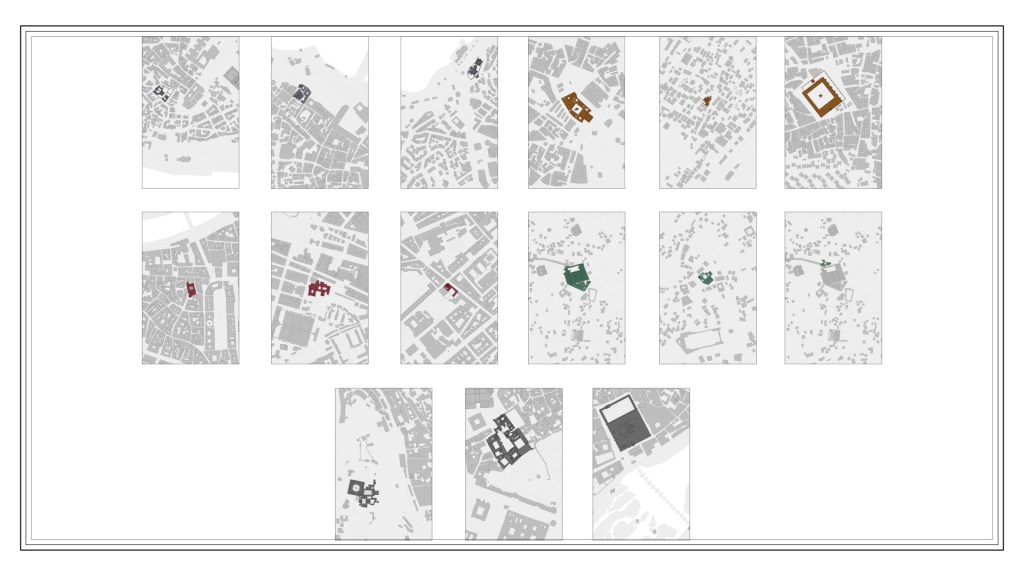
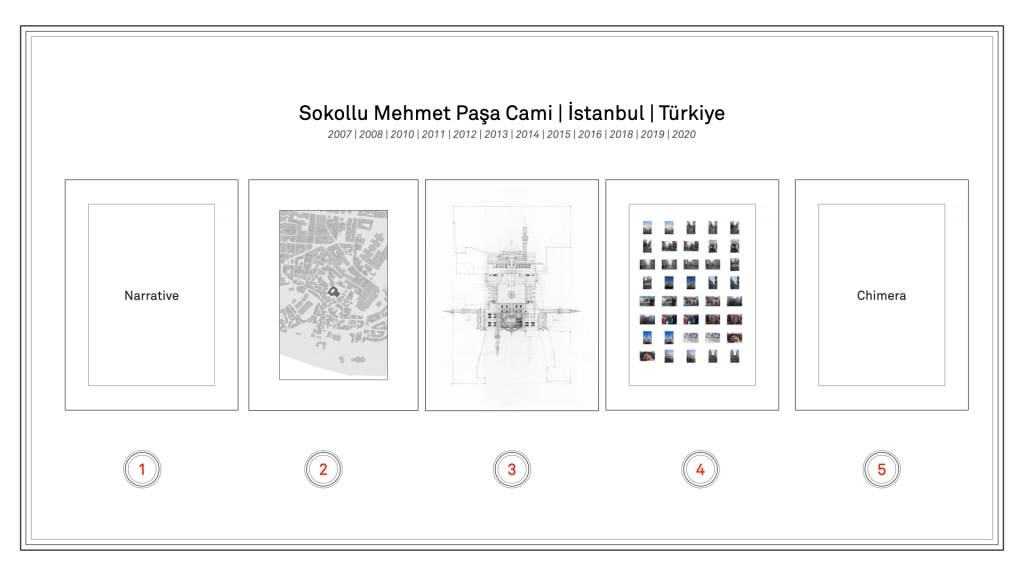
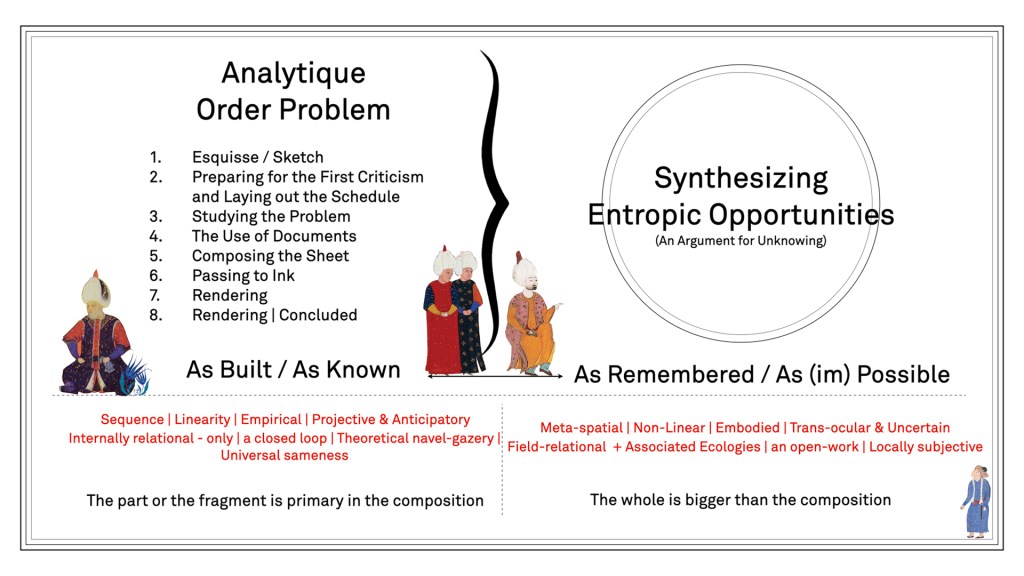
“An Argument for Unknowing / An Accountability of Love” is a drawing/research project that explores a counter representational technique to the analytique; what Marco Frascari described as “an attempt to single out the dialogue among the parts in the making of the building.” These drawings-as-research and research-as-drawings attempt, rather, to do the opposite – to pluralise the many discourses contained within the whole of the drawing. The “whole” here is a way to read a set of selected buildings (3 each from Istanbul, Rome, Cairo, Fez and Andalucia) both “as built/as known” as well as “as remembered/as (im)possible.” This project is an attempt to think and draw with imagination as an act of refusal to unitary western epistemologies, and to challenge the sameness of the analytique that forecloses other possibilities of world-building and world-knowing.
Drawing this counter analytique is a test to reclaim and reconstitute histories, myths and unprofessionalized versions of the social, cultural and experiential – and therefore political – pasts of buildings as agents of meaning. The drawings oscillate between local subjectivities (of the personal as a necessary reckoning in architecture) and global universalities (drawing conventions, legibility, accessibility and so on). If the analytique, as an order problem of the charette, emphasise a specific sequence of understanding, the drawings as part of this project centre embodied experience and practice, trans-ocularity, an emphasis on field-relations with the many associated ecologies of drawing, of each building and their contexts, and of my position as a (hopefully) curious (and tender) investigator.


MOBILIZING MATERIALITIES
Imagine Chair in the Arts, Design and Humanities, University of Minnesota, 2014-2017
Chair: Ozayr Saloojee // Core Team: Vince Debritto (Landscape Architecture), Karen Lutsky (Landscape Architecture), Howard Oransky (Nash Gallery), Emily Eliza Scott (Oregon), Ursula Biemann (Switzerland), World of Matter Artist Collaborative
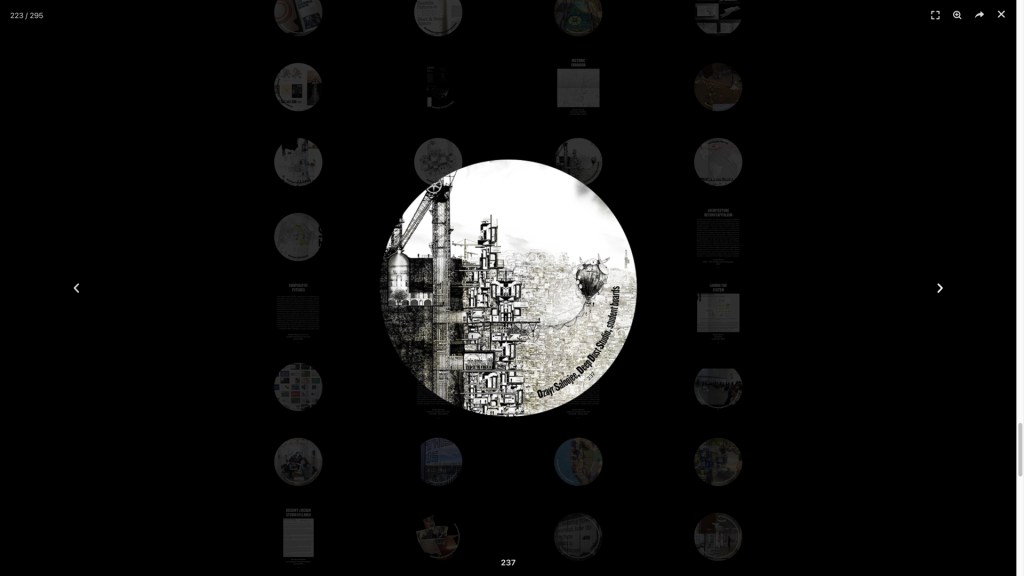
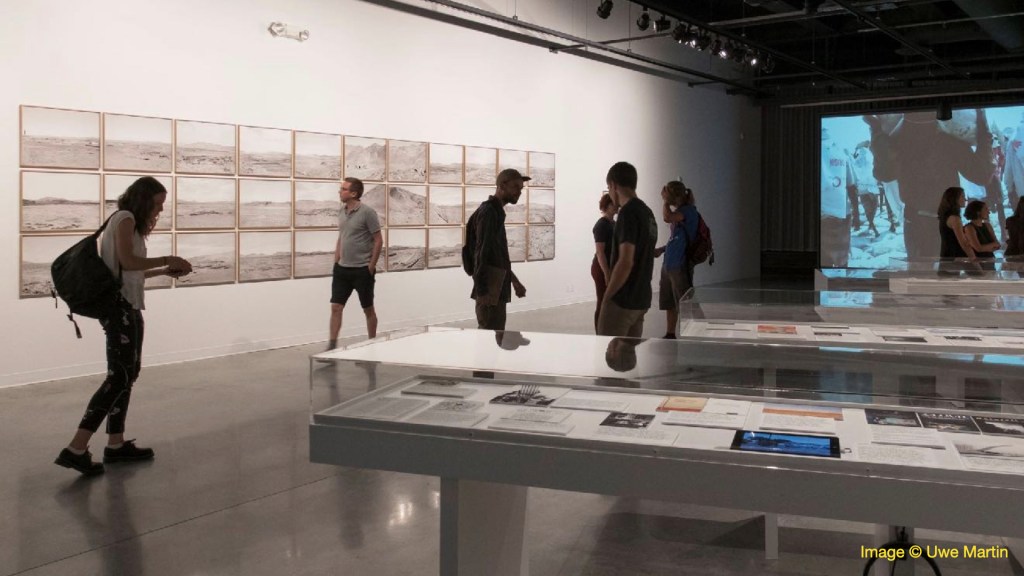
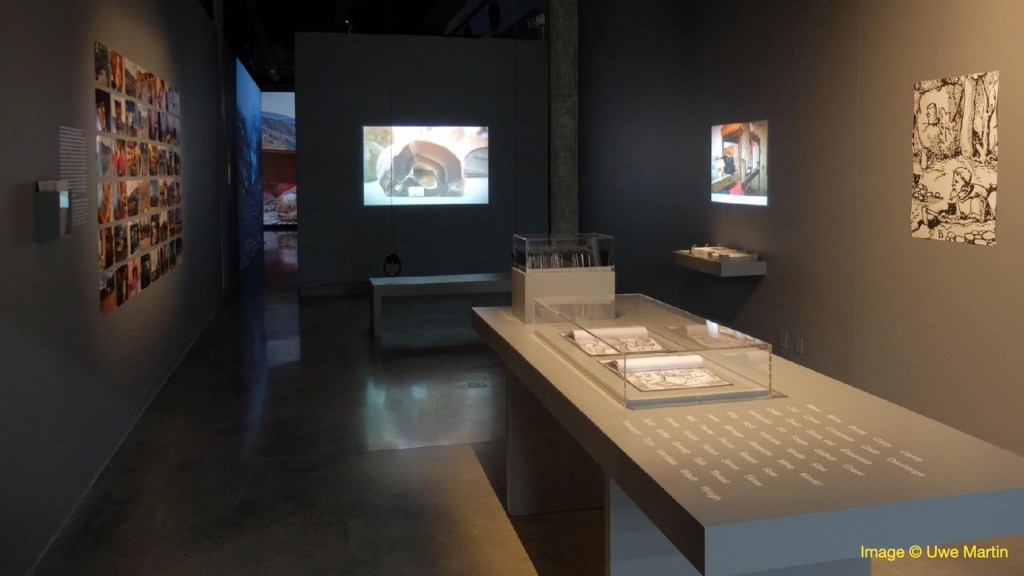
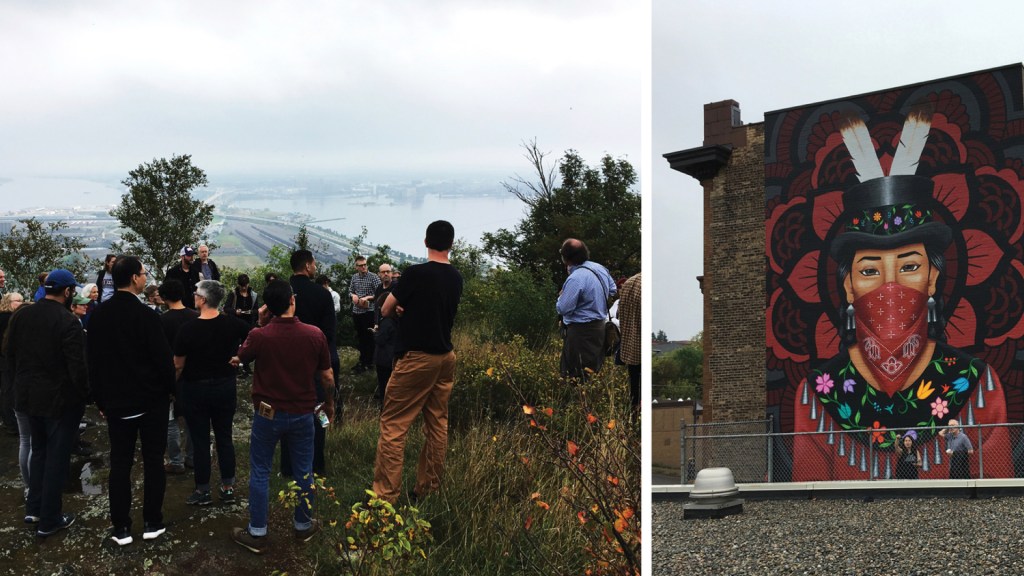
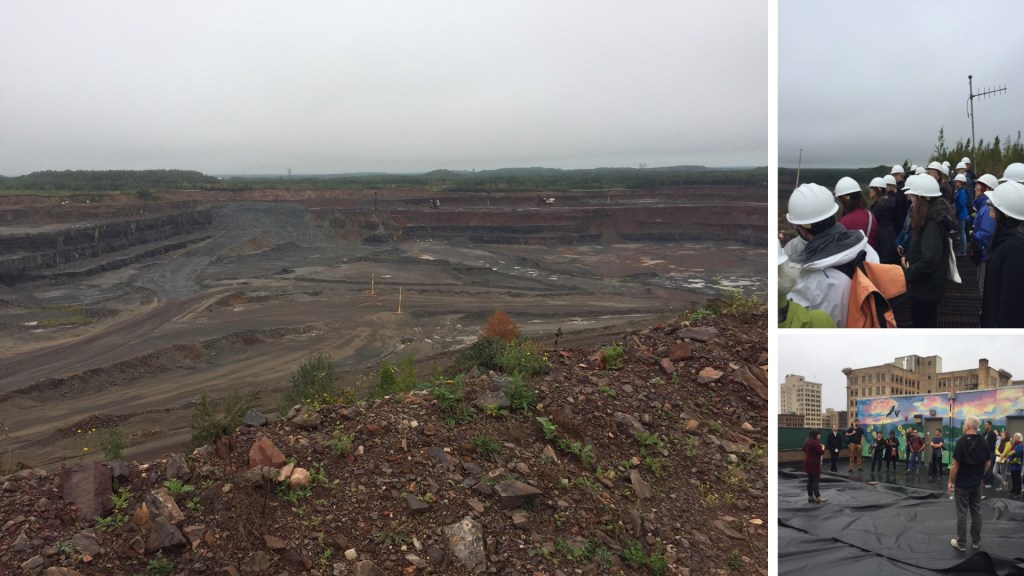
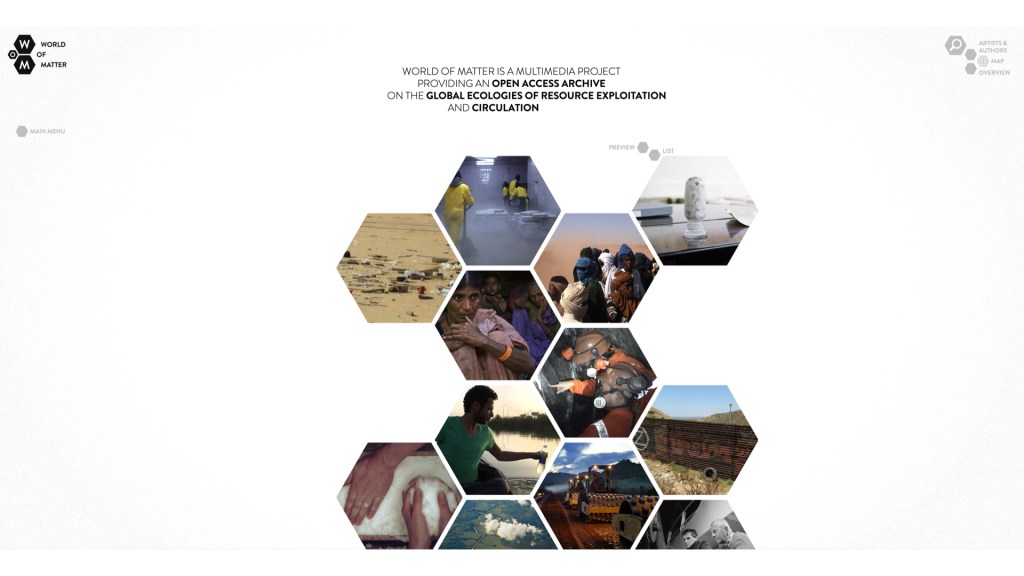
World Of Matter / Mobilizing Materialites was a project of my appointment as the University of Minnesota’s Imagine Chair in the Arts, Design and Humanities for 2014-2016/2017. It explored the spatial implications and politics of moving earth materials, extraction, climate and geo-transformations. Building on interdisciplinary graduate teaching, World of Matter: Mobilizing Materalities included design studio teaching, public lectures and workshops, and culminated in a 4 month exhibition of work by artists from the World of Matter collaborative, in addition to a three day symposium, and a field tour to Minnesota’s Iron Range, with visits to the Hibbing Taconite Mine, dredge landscapes along Lake Superior, with Indigenous Housing advocates, energy infrastructure in the Iron Range and more. Speakers included Rania Ghosn (Design EARTH, MIT), Brian Davis (UVA), Felipe Correa (UVA), Bruce Braun (UMN), Kathryn Yusoff (QMU), Kyle Powys-White (MSU), Kai Bosworth (UMN), Brian Holmes (Chicago) and TJ. Demos (UCSC). Featured artists included Xavier Ribas, Paolo Tavares, Ursula Biemann, Mabe Bethonico, Lonnie van Brummelen, Siebren De Haan, Peter Mortenbock, Helge Mooshammer, Uwe Martin and Frauke Huber.






 Ozayr Saloojee